
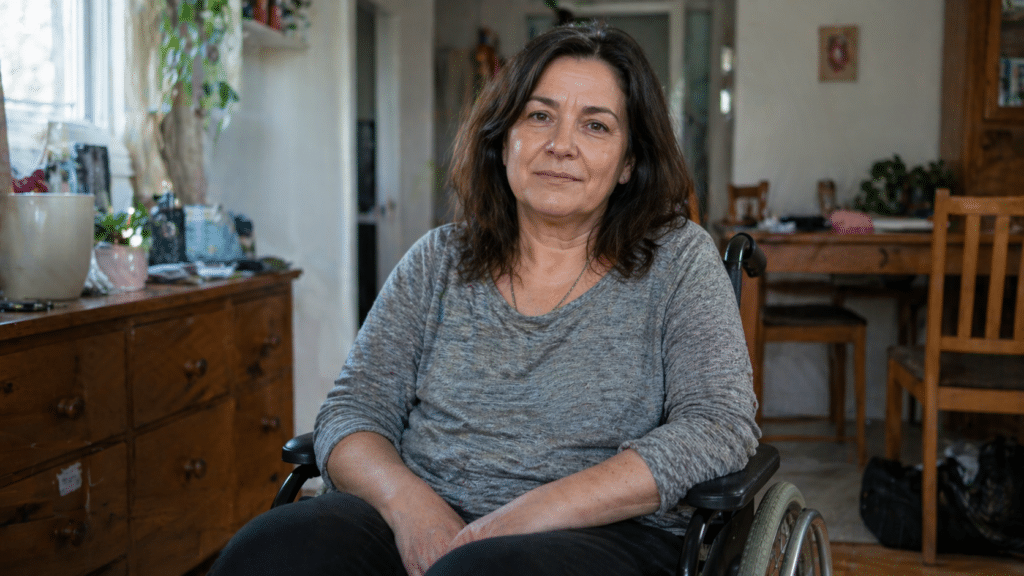
Living with Multiple Sclerosis or MS can feel overwhelming, whether it is something you are navigating yourself or supporting a loved one through. Changes in mobility, energy levels, and daily routines can make everyday life more challenging, and knowing where to turn for support is not always clear.
Many Australians look for guidance on NDIS Multiple Sclerosis support and how to access the right funding.
In this resource, we will discuss:
- NDIS eligibility for Multiple Sclerosis
- How to apply for NDIS with MS
- How to access and use your NDIS supports
This is a simple, practical guide to help you or your loved one better understand the process and feel more confident taking the next steps.
What is Multiple Sclerosis
Multiple Sclerosis or MS is a chronic condition affecting the central nervous system. It can cause symptoms such as fatigue, muscle weakness, coordination issues, cognitive challenges, and vision problems. The impact varies from person to person, but many individuals require long term support to manage daily activities.
NDIS Eligibility for Multiple Sclerosis
Understanding NDIS eligibility is the first step in accessing support for NDIS Multiple Sclerosis funding.
To access the NDIS with Multiple Sclerosis MS, you must meet general NDIS eligibility criteria and demonstrate that your condition results in a permanent and significant disability.
Basic Eligibility Criteria
You must:
Be aged between 9 and 65 when applying
Be an Australian citizen, permanent resident, or hold a Protected Special Category Visa
Live in Australia where the NDIS is available
Disability Requirements for MS
The NDIS considers whether your MS:
Is permanent or likely to be permanent
Substantially reduces your ability to complete everyday activities
Requires ongoing support from other people or assistive technology
How MS is Assessed by the NDIS
NDIS eligibility for Multiple Sclerosis is based on functional impact, not just diagnosis. This includes:
Mobility limitations
Self care challenges such as dressing or showering
Communication difficulties
Cognitive or memory issues
Social participation barriers
Providing strong medical evidence is essential to meet NDIS eligibility requirements.
How to Apply for NDIS with Multiple Sclerosis
If you are applying for NDIS Multiple Sclerosis support, follow these steps.
Step 1: Gather Supporting Evidence
Collect reports from relevant health professionals such as:
Neurologist reports confirming MS diagnosis
Occupational therapy assessments
Physiotherapy reports
GP summaries
Your evidence should clearly explain how your MS impacts your functional capacity to support your NDIS eligibility claim.
Step 2: Complete the Access Request
You can apply by:
Calling the NDIS to make an Access Request
Completing an Access Request Form
Asking your healthcare provider to assist with submission
Step 3: Submit Your Application
Ensure all documentation is included. Missing information is one of the most common reasons for delays in NDIS eligibility decisions.
Step 4: Wait for Outcome
The NDIS will review your application and determine eligibility. This process can take several weeks.
How to Access NDIS for Multiple Sclerosis
Once approved, you can begin accessing NDIS Multiple Sclerosis supports through your plan.
Planning Meeting
You will attend a planning meeting with an NDIS planner or Local Area Coordinator. During this meeting, you will discuss:
Your goals
Daily challenges related to MS
Types of support you need
Types of Supports for MS
NDIS funding for Multiple Sclerosis MS may include a wide range of supports tailored to your individual needs and how your MS impacts daily life.
Personal care assistance
Support workers can help with everyday personal tasks such as showering, dressing, grooming, and meal preparation. This support is especially important if fatigue, mobility issues, or coordination challenges make these tasks difficult.
Mobility aids such as wheelchairs or walkers
Equipment can be funded to help you move around safely and maintain independence. This may include manual or powered wheelchairs, walking frames, or other mobility supports based on your needs.
Home modifications
Changes to your home environment can improve safety and accessibility. This may include installing ramps, grab rails, accessible bathrooms, or modifying doorways to accommodate mobility equipment.
Physiotherapy and occupational therapy
Therapies can help maintain strength, mobility, and independence. Physiotherapy focuses on movement and physical function, while occupational therapy helps you manage daily tasks more effectively.
Assistive technology
This includes devices or equipment that make daily activities easier. Examples include communication devices, adaptive tools, or technology that supports independence at home and in the community.
Support workers for daily activities
Support workers can assist with tasks such as shopping, attending appointments, household chores, and building daily routines that suit your energy levels and abilities.
Community participation programs
Funding may support involvement in social, recreational, or community activities. This helps reduce isolation, build confidence, and improve overall wellbeing while living with MS.
Managing Your Plan
You can choose how to manage your NDIS plan:
Self managed
Plan managed
NDIA managed
Choosing the right option depends on your comfort with handling finances and coordination.
Tips for a Successful NDIS Application for MS
Focus on how your MS affects daily life, not just diagnosis
Use clear and detailed reports from specialists
Include examples of tasks you struggle with
Update your evidence if your condition changes
Seek support from an NDIS provider or support coordinator
Common Challenges and How to Overcome Them
Insufficient Evidence
Provide detailed functional assessments rather than short medical notes to strengthen your NDIS eligibility case.
Application Delays
Follow up regularly and ensure all documents are submitted correctly.
Rejected Applications
If your application is declined, you can request a review or provide additional evidence.